Ludo Game Development: Turning Your Idea into Reality
Ludo, a timeless board game, has found new life in the digital era, captivating millions of players across the globe. The simplicity, nostalgia, and competitive thrill of Ludo make it an excellent choice for game developers looking to tap into the casual gaming market. But how do you turn the idea of creating a Ludo game development into a fully functional, engaging app?
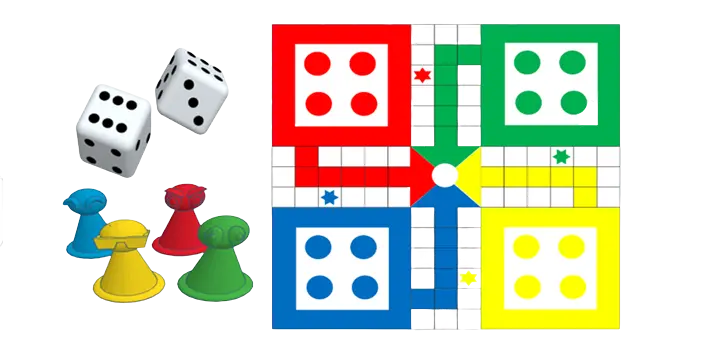
This blog breaks down the essential steps to help you bring your vision to life.
1. Understanding the Essence of Ludo
Before diving into development, it’s crucial to understand what makes Ludo so appealing:
Simple Rules: Easy-to-learn gameplay ensures accessibility for players of all ages.
Social Connection: Multiplayer options foster social interaction, whether online or offline.
Strategy & Luck: A balanced mix of strategy and dice-based luck keeps the game engaging.
Capturing these elements in your digital version is key to creating a successful Ludo game.
2. Planning Your Ludo Game
Every great game begins with a solid plan. Here’s what to consider:
a. Features
Decide on the core and additional features:
Core Features:
Classic 4-player mode (online, offline, or AI-based).
Dice rolling mechanics.
Movement of tokens based on dice outcomes.
Winning conditions (all tokens reaching the home base).
Optional Add-Ons:
Power-ups or special dice rolls.
Customizable boards and tokens.
Leaderboards and achievements.
Chat or emojis for multiplayer modes.
b. Target Audience
Define who your game is for:
Kids, families, or competitive gamers?
Casual gamers or Ludo enthusiasts?
c. Monetization Model
Choose how your game will generate revenue:
Ads: In-game banner or video ads.
In-App Purchases: Skins, power-ups, or premium memberships.
Freemium Model: Free to play but with additional paid features.
3. Designing the Game
a. User Interface (UI)
Ludo games thrive on simplicity. Your UI should:
Be intuitive and easy to navigate.
Use vibrant, appealing colors reminiscent of the traditional board.
Ensure visibility of essential elements like the dice, player turns, and token movements.
b. User Experience (UX)
The UX should provide smooth gameplay:
Ensure smooth transitions between screens.
Add animations for dice rolls and token movements to enhance engagement.
Include clear tutorials for new players.
c. Graphics
Decide on your game’s style:
2D graphics are cost-effective and align with the classic feel of Ludo.
3D models and animations can add a modern touch but require more resources.
4. Developing the Game
a. Choosing the Right Technology Stack
For developing your Ludo game, you’ll need:
Game Engine: Unity or Unreal Engine for robust game mechanics.
Programming Languages: C# (for Unity), or C++/Blueprint (for Unreal Engine).
Backend Frameworks: Node.js, Python, or Firebase for managing multiplayer functionalities.
b. Game Mechanics
Dice Rolling Algorithm: Ensure randomness for fair gameplay.
Turn Management: Implement a turn-based system for players.
Token Movement: Accurately translate dice outcomes into token movements on the board.
c. Multiplayer Integration
Multiplayer mode is a must for most Ludo games:
Online Multiplayer: Use server-client architecture for real-time games.
Local Multiplayer: Enable multiple players to use the same device.
AI Bots: Provide a single-player option with varying difficulty levels.
5. Testing and Debugging
Thorough testing is vital to ensure a seamless experience:
Test gameplay for bugs or glitches.
Check the fairness of the dice-rolling algorithm.
Optimize for performance across devices.
Gather feedback from beta testers to refine the game.
6. Launching Your Game
a. App Store Optimization (ASO)
To stand out, optimize your app store listing:
Create an eye-catching icon.
Write a compelling game description.
Use keywords to increase visibility.
b. Marketing Strategies
Promote your game to reach your target audience:
Use social media platforms for advertising.
Collaborate with influencers or streamers.
Offer referral rewards or launch promotions.
7. Post-Launch Maintenance
After launching your Ludo game, continuous support is essential:
Monitor player feedback and release updates.
Add new features to keep players engaged.
Regularly update your game to fix bugs and maintain compatibility.
Conclusion
A Ludo game development may seem straightforward, but turning your idea into a successful app requires a blend of creativity, technical expertise, and strategic planning. By focusing on quality, user engagement, and continuous improvement, you can create a Ludo game that stands out in the competitive market.